
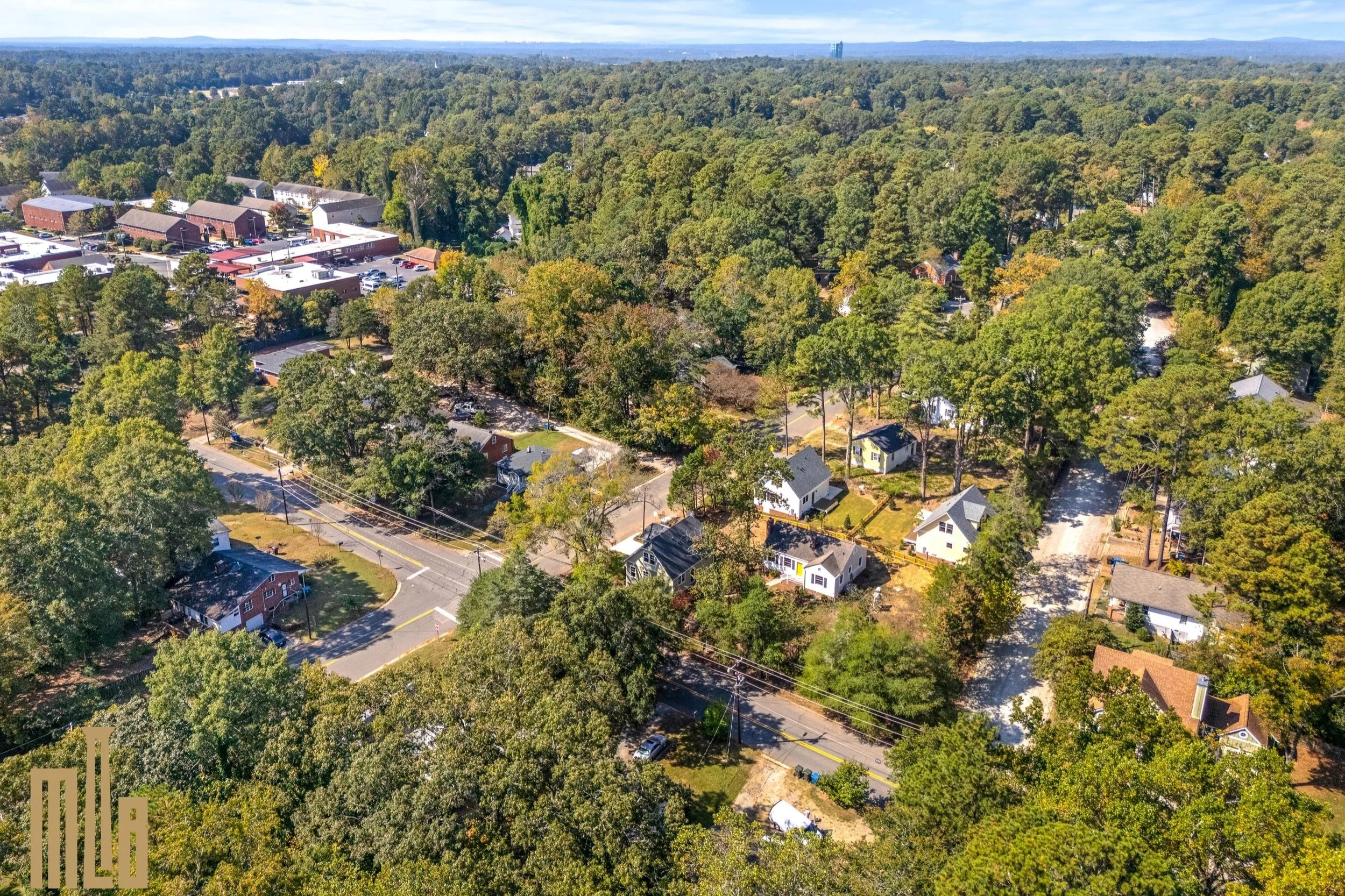
1702 James St | A case study of how a thoughtful infill community can change a community.
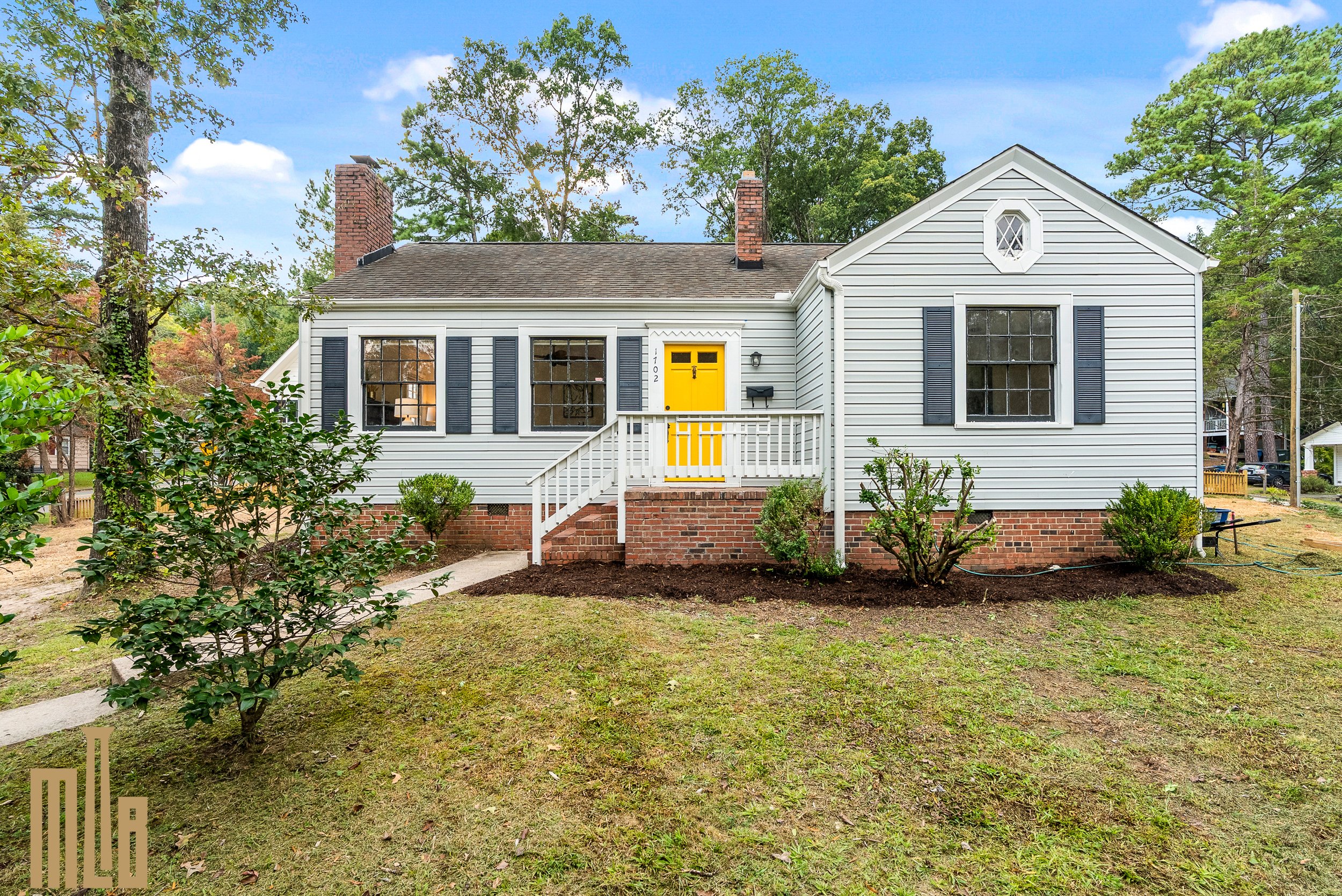
1702 James Street began as a modest 1938 bungalow on an oversized lot in the Lakewood neighborhood of Durham. Lakewood is prized for its historic housing stock, attainable price points, and central location—approximately two miles from downtown, 1.5 miles from Duke’s campus, and a short walk to daily amenities. It is the kind of walkable, connected neighborhood that consistently attracts buyers.
The home itself was 1,079 square feet, with two bedrooms and one bath, situated on a 0.48-acre lot (20,908 square feet). The property was zoned Residential Urban (RU-5), which historically required a 5,000-square-foot minimum lot size. At more than four times that minimum, the parcel was materially underutilized relative to what updated code provisions would ultimately allow.
When the property came to market in August 2024 at $485,000, my clients toured it within 24 hours and submitted an all-cash offer of $515,000—6% above list—because we recognized that the value proposition was in the land and its redevelopment potential under recent zoning reforms.
The Regulatory Framework
Two policy changes unlocked the site’s potential:
Expanding Housing Choices (EHC) – adopted in 2018
Simplifying Code for Affordable Development (SCAD) – adopted in 2023
EHC introduced the small-lot concept, permitting detached single-family homes in Durham’s urban tier on lots as small as 2,000 square feet. Equally important, it reduced setback requirements, expanding the practical buildable envelope.
SCAD built on that foundation with targeted technical amendments that materially altered feasibility on infill sites like this one.
Together, these reforms transformed what would have remained a single house on a large lot into a seven-home development: preservation of the original structure plus six new buildable lots.
Under EHC alone, reducing lot size minimums and setbacks would likely have yielded three small lots. SCAD enabled three additional lots through precise code modifications:
Section 7.1.1C.1 – Allowed pre-1950 structures to utilize the small-lot option, reducing required rear setbacks from 25 feet to 15 feet and expanding the developable footprint.
Section 6.12.3B.11 – Permitted residential mechanical equipment to encroach into side and rear setbacks, creating additional flexibility in tight configurations.
Section 6.11.7J – Eliminated minimum parking requirements for certain residential typologies, critical on a site with topographic constraints.
These were not sweeping rezonings. They were incremental adjustments with compounding effects. On this parcel, they made the difference between marginal density and meaningful production.
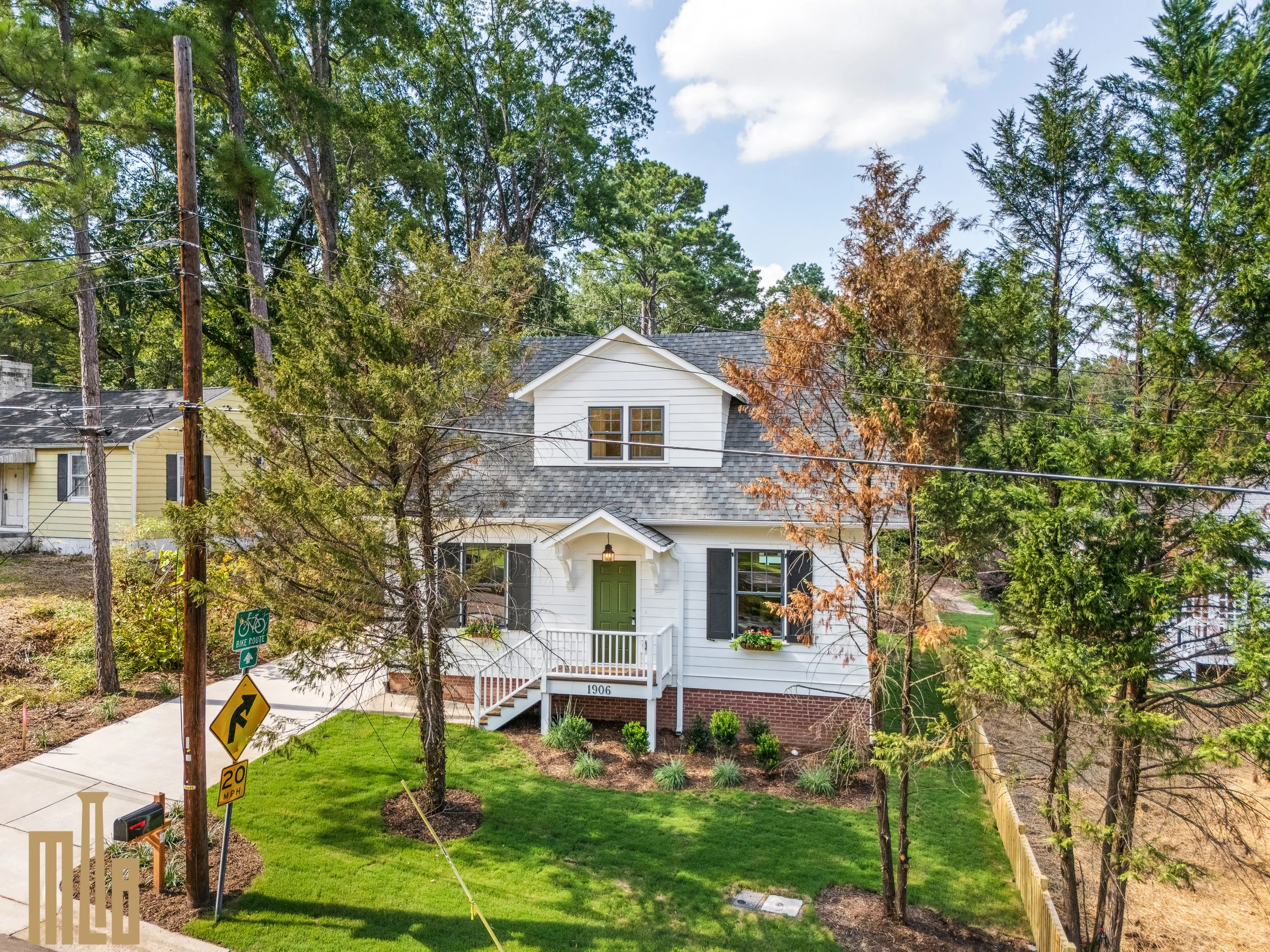
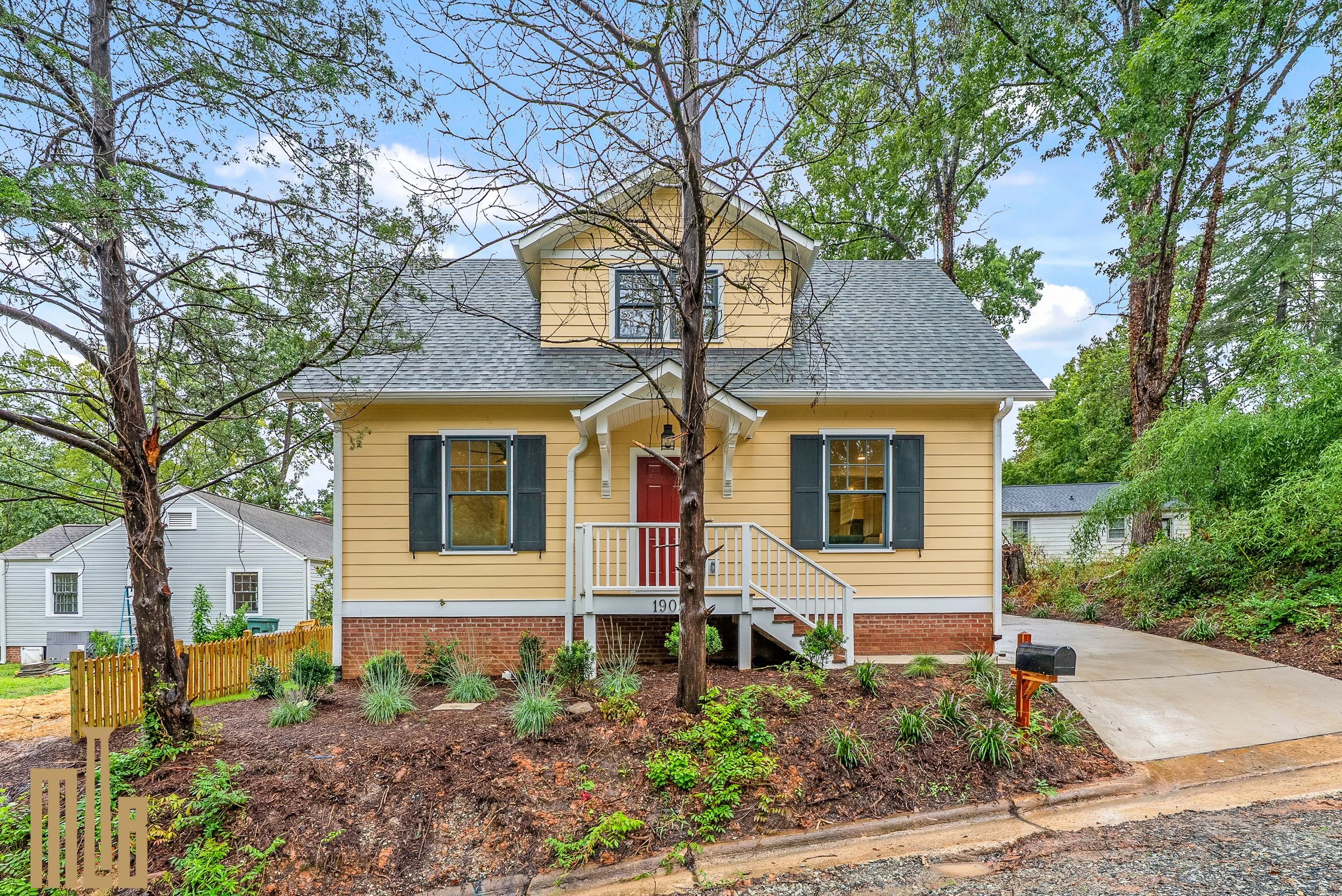
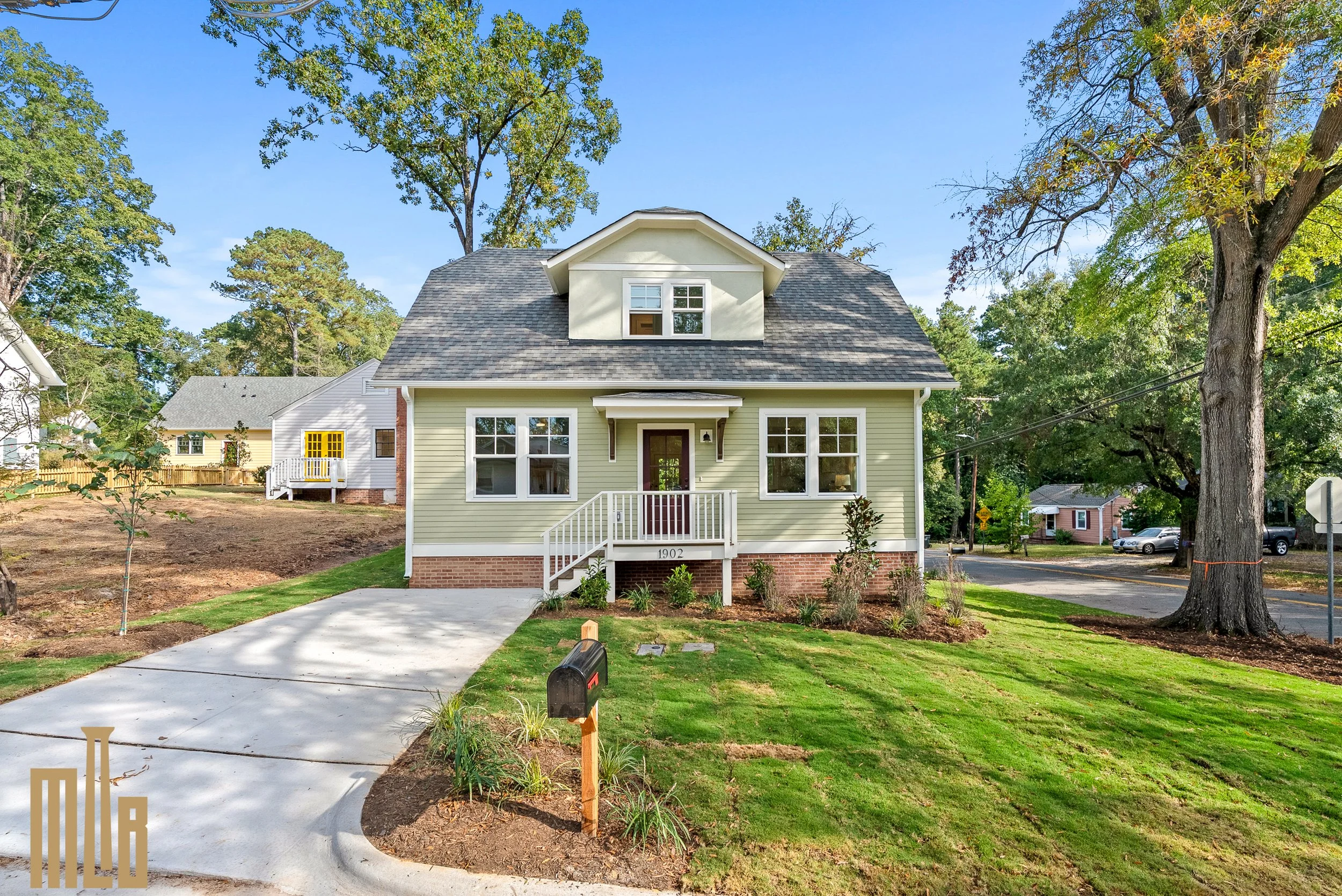
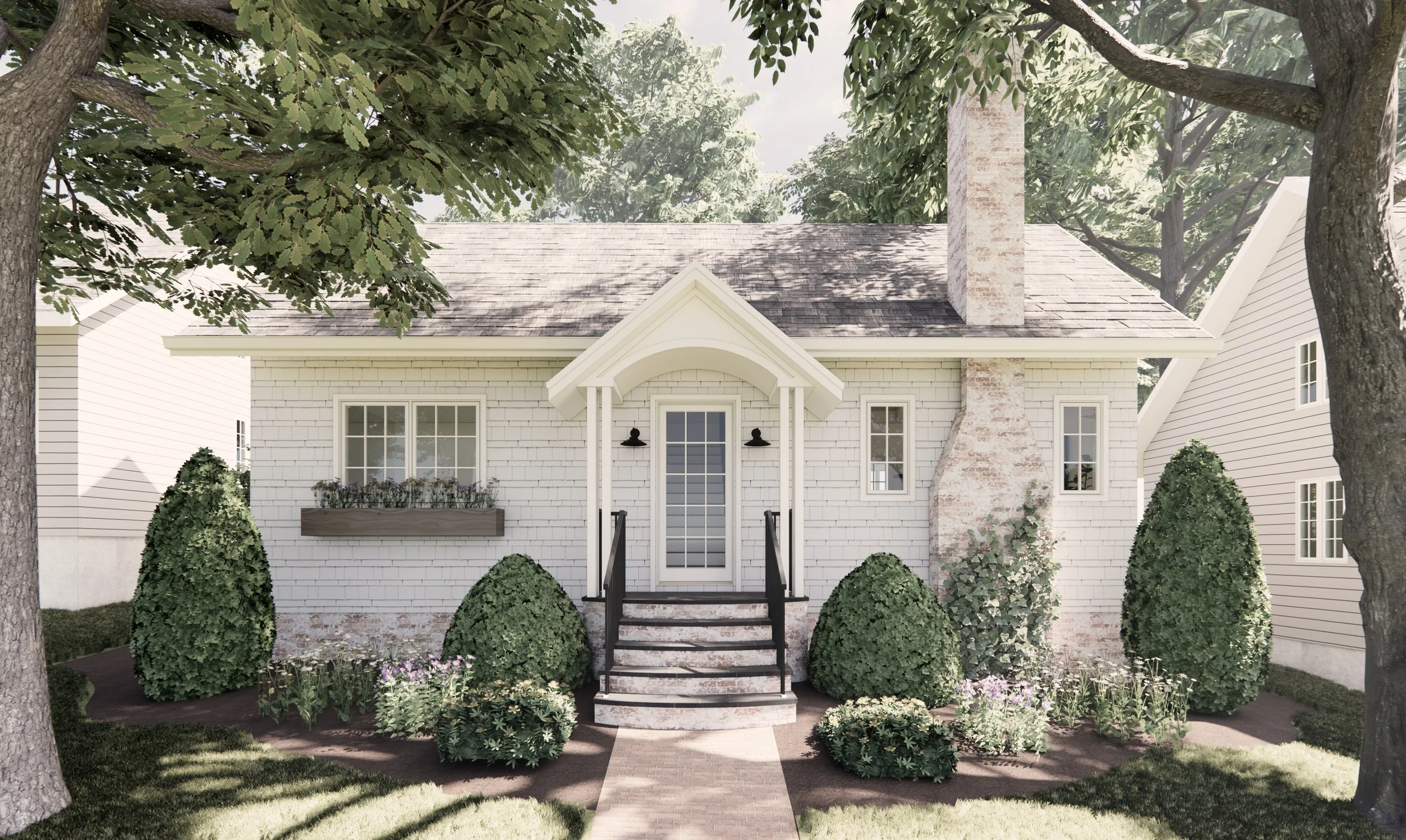
The homes preserved & created at 1702 James StDelivering Attainable Homeownership
After subdivision, the original home was renovated and resold for $328,000.
In today’s Durham market, a fully updated, detached home under $350,000—particularly in a walkable urban neighborhood—is increasingly rare. Comparable renovated homes often trade north of $450,000.
This project achieved two concurrent outcomes:
Six new buildable lots were created.
A move-in-ready home was delivered at an attainable price point.
For buyers in the sub-$350,000 range, post-closing liquidity is often limited. Major capital expenses—roof, HVAC, structural repairs—can be financially destabilizing. By addressing deferred maintenance prior to resale, the property was repositioned to serve a new homeowner without immediate capital burden.
Incremental density did not erase the existing home. It preserved it, reinvested in it, and returned it to the market at a price point that remains accessible relative to current conditions.
Infrastructure Efficiency and Urban Form
The six new lots were created within an established neighborhood served by existing roads, water, sewer, and public infrastructure. No utility extensions. No greenfield expansion. No outward push into farmland.
This is fiscally and environmentally efficient growth. Housing was added within the existing footprint of the city, near employment centers, transit, retail, and services. Residents can bike to downtown, walk to neighborhood amenities, and reduce vehicle dependency.
This is sustainable infill—not wholesale transformation, but calibrated addition.
The Financial Mechanics of Preservation
Preserving the pre-1950 structure was essential to project feasibility.
Because SCAD allowed reduced setbacks for older homes, the original structure could remain while additional lots were created. Without that regulatory flexibility, demolition or a materially different site configuration would likely have been required.
The capital stack illustrates the impact:
Acquisition price: $515,000
Resale of original home (post-subdivision): $328,000
Net land basis for six lots: $187,000
Per-lot land basis with preservation:
$31,166.66
If the full acquisition cost had been allocated across six lots:
$85,833.33 per lot
The delta—$54,667 per lot—represents a 275% increase in land cost. At that basis, attainable end pricing becomes infeasible.
On the vertical side, a projected $375,000 small-lot home would increase to approximately $429,000 solely due to higher land allocation. That shift materially alters buyer accessibility.
Demolition would have compounded costs through teardown expenses (approximately $10,000), additional permitting, delays, and capital risk.
Preservation was not aesthetic sentiment—it was the economic lever that made the development viable.
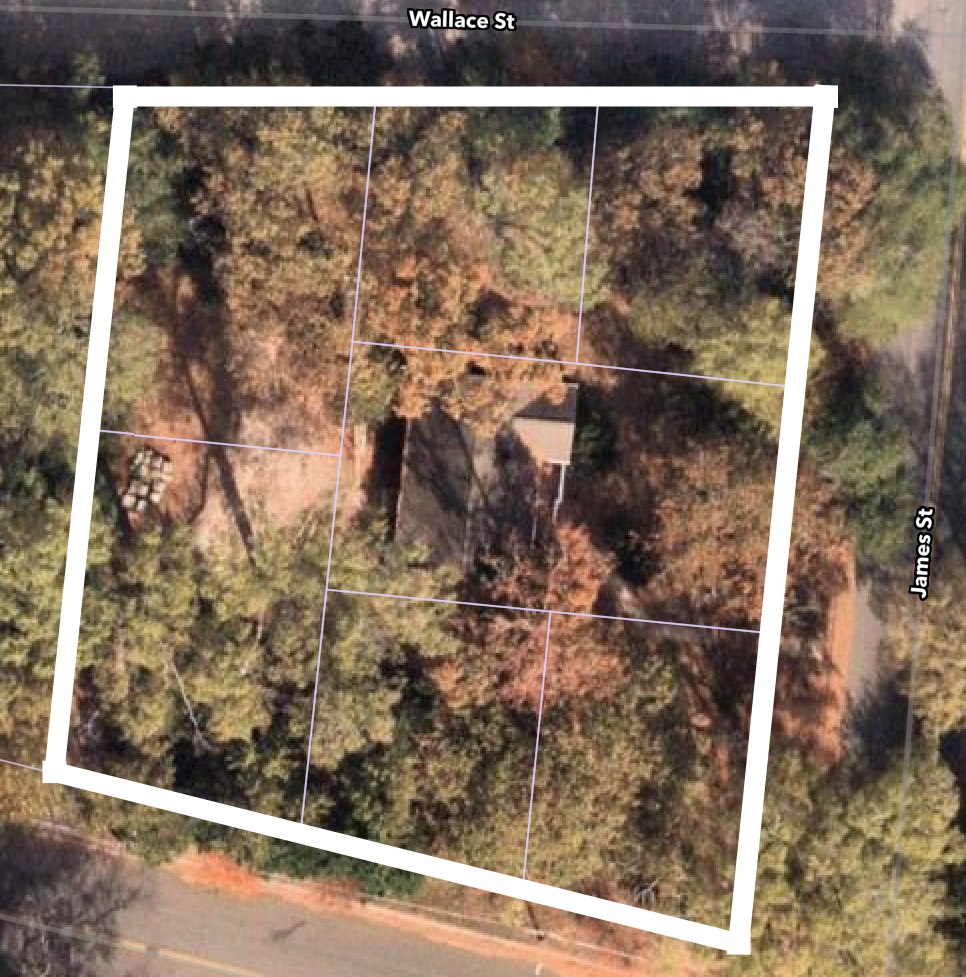
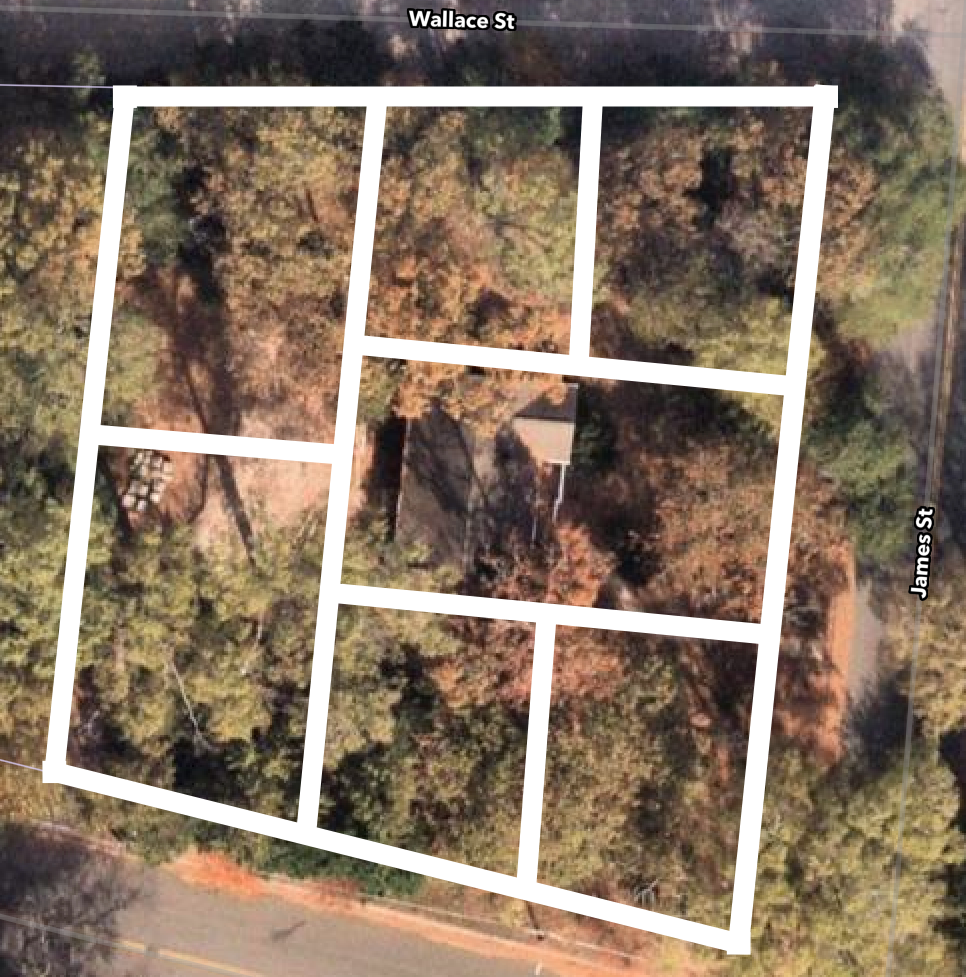
2024 Property Lines | 2025 Property LinesA Scalable Model
Much of America’s zoning framework dates to the post–World War II era. Incremental reform, rather than wholesale overhaul, can meaningfully expand supply.
Durham’s EHC final report (December 6, 2023) noted 365 units produced under the program at that time. I wonder how many units have been created since this final report, especially with SCAD passing in November of 2023. I also wonder how many houses have been saved because of SCAD, and more units created. Continued tracking of EHC and SCAD outcomes will be critical to quantify long-term supply effects, price stabilization, and housing-type diversification.
Initial findings show how these small lots & incremental density have reduced pressure on the housing supply in Durham. The average new home detached sale has flatlined while our neighboring cities have have continued a linear path of increase for the past 5 years.
In practice, incremental density looks like:
A first-time buyer staying in the neighborhood.
A downsizing parent remaining close to family.
Additional households sharing the benefits of central proximity.
1702 James Street is not a theoretical exercise. It is a built example of how targeted code reform can expand housing choice, leverage existing infrastructure, reduce sprawl pressure, and incrementally increase supply—one lot at a time.

About the Author
Matt Lunceford Blivin was born and raised in Durham and now works in real estate here in the city he calls home. He is passionate about housing and believes Durham can grow in ways that are thoughtful, incremental, and responsive to real demand. Through his work, he focuses on helping clients understand both the market and the regulatory landscape that shapes it.
Outside of real estate, Matt is a dedicated Duke fan and an avid runner. You may spot him training for his next marathon along the Ellerbe Creek Trail early in the morning.
