
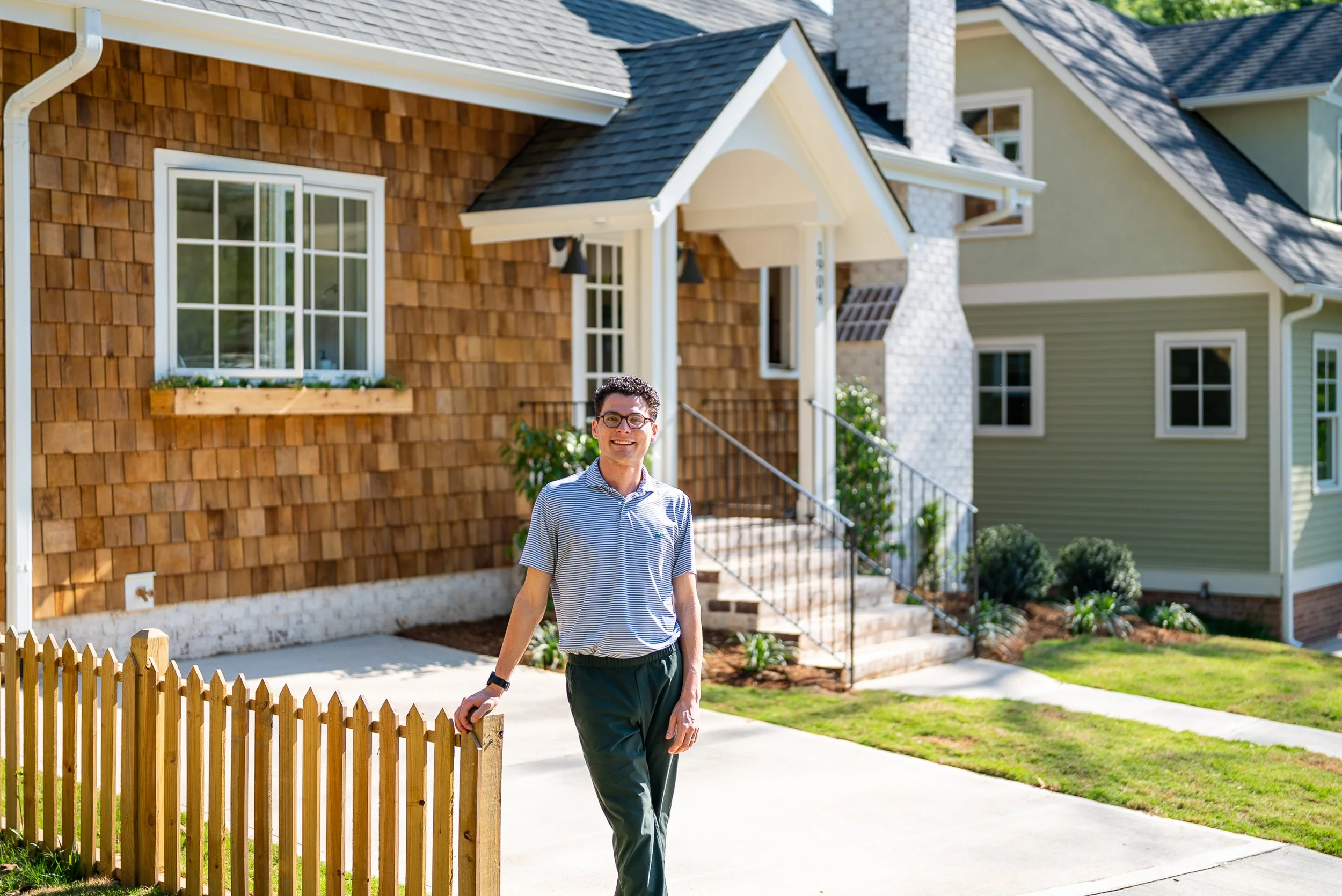
Welcome to Home Buying
Buying a home is one of the biggest decisions you'll make — and the most rewarding when you have the right guidance. This page walks you through each step of the home-buying journey in the Triangle, from initial planning and mortgage pre-approval to closing day and moving in. Whether you're a first-time buyer, relocating to Durham, Chapel Hill, or Raleigh, or expanding your investment portfolio, our goal is to make the process clear, efficient, and tailored to your needs.
You’ll find practical checklists, timelines, explanations of key terms, and tips for working with lenders, inspectors, and sellers. We’ll also highlight local market insights and neighborhood considerations to help you find more than a house—find home.
Documents
Buying a home involves several key documents you’ll review and sign. Knowing what each does helps the process move smoothly and reduces surprises. Here’s a concise guide to the most important home-buying documents and why they matter.
I created this document to explain what due diligence is, how it’s used, and why it matters. This is one of the most unique aspects of buying a home in North Carolina, and my goal is to make sure you feel fully comfortable with it.
This document breaks down agency relationships in North Carolina. We’ll review this together before signing.
This document outlines the typical costs buyers can expect from contract through closing, including due diligence, inspections, and closing expenses. All amounts are estimates and may vary based on the purchase price, lender, and service providers.
This gives a high-level overview of mortgage options and what they might look like for you. Here is a link to a homebuyer lending guide. Below are a few local mortgage brokers I’ve worked with in the past and trust:
This is the contract we’ll submit when making an offer on a home. I’ll walk through this document with you and highlight the most important sections when the time comes.
This is an agreement we will both sign. I wanted to share it with you in advance, and I’ll review it with you before we sign anything.
This guide walks through the entire transaction from start to finish and outlines what you should expect at each step.
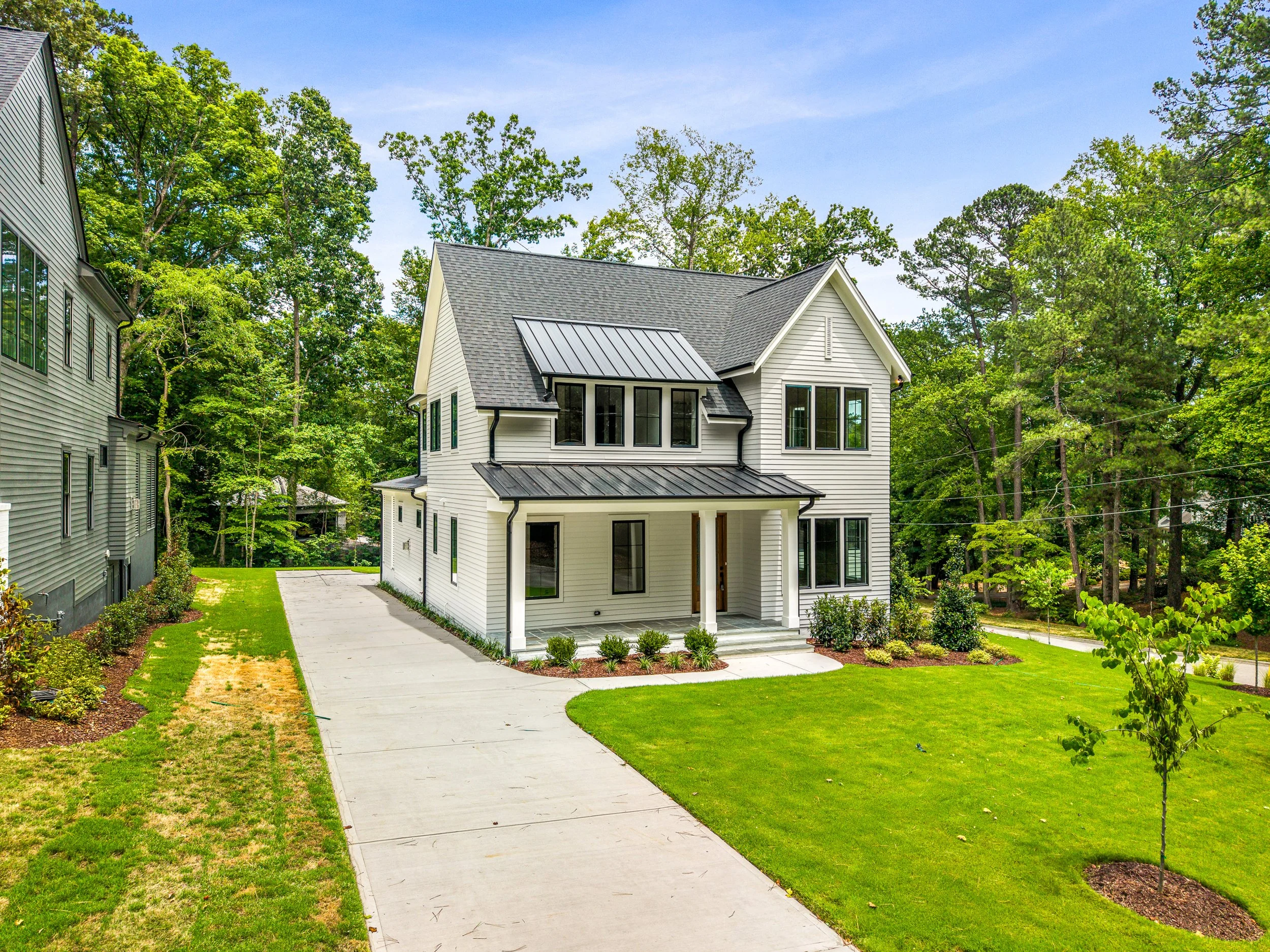
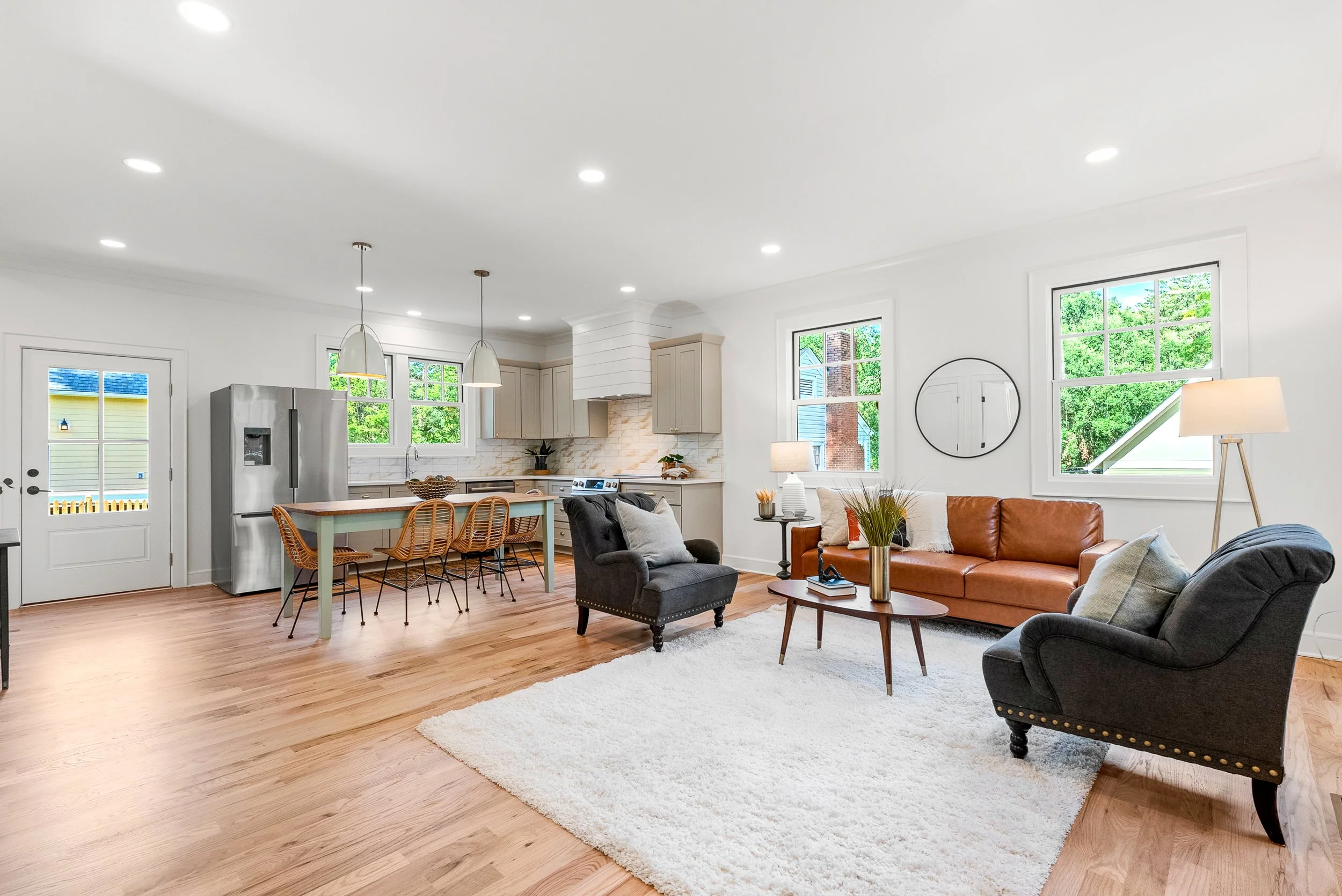
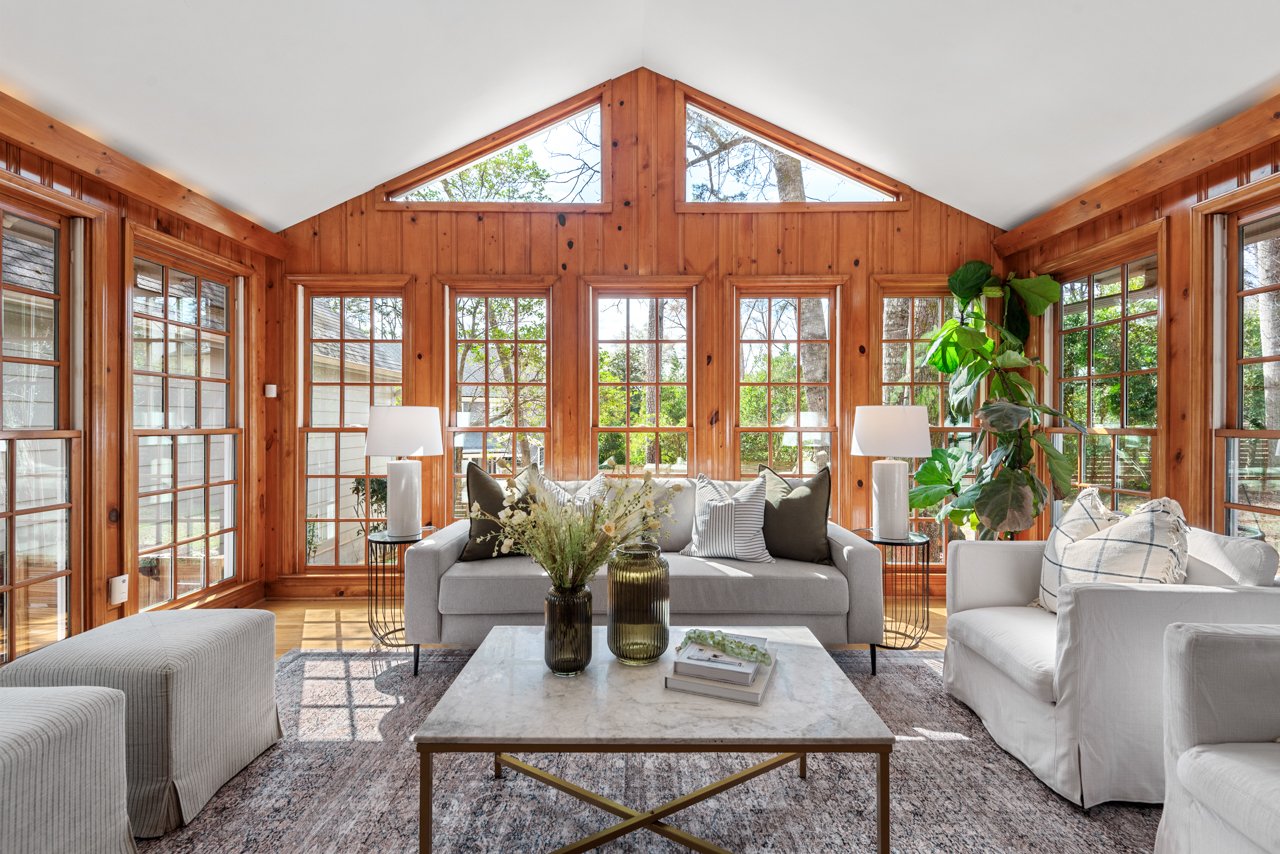

Home Buying Steps
Buying a home can feel overwhelming, but breaking it into stages makes it much more manageable. Here's what to expect from start to finish — including rough timelines and where money typically changes hands.
-
Before house hunting, review your credit score, savings, and monthly budget. This helps you understand what you can comfortably afford—not just what a lender will approve.
Timeline: 1–3 months (or longer, if building credit/savings)
💰 No money transacts yet—this is prep work. -
A lender reviews your income, debts, and credit to tell you how much you qualify to borrow. A pre-approval letter shows sellers you're a serious, qualified buyer.
Timeline: A few days to 1 week
💰 Some lenders charge a small credit-check or application fee here, though many offer pre-approval for free. -
A good agent guides you through listings, negotiations, and paperwork, and represents your interests throughout the transaction—often at no direct cost to the buyer.
Timeline: A few days to 1–2 weeks
💰 No upfront cost in most cases—buyer's agents are typically paid through the transaction at closing. -
Tour homes that fit your budget and needs. Make a list of must-haves versus nice-to-haves to help narrow the search.
Timeline: 1 week to several months, depending on the market
💰 No money transacts yet. -
Once you find the right home, your agent helps you submit a competitive offer, often including an earnest money deposit to show good faith.
-
The seller may accept, reject, or counter your offer. Once both sides agree on terms, you sign a purchase agreement and the clock starts on due diligence.Timeline: A few days to 1 week
💰 No new money yet—earnest money is often deposited into escrow around this stage if not already sent.
-
A home inspection checks the property's condition, while a lender-ordered appraisal confirms its value. Results here can lead to further negotiation or repair requests.
Timeline: 1–2 weeks
💰 Inspection and appraisal fees are usually due at the time of service (often $300–$600 each), paid out of pocket—not at closing.
-
Your lender verifies financial details, orders a title search, and prepares final loan documents. This stage is often called "underwriting."
Timeline: 2–4 weeks (often overlaps with inspections)
💰 Some lenders collect a fee here for the appraisal or title search if not already paid; rate lock fees (if applicable) may also apply. -
At closing, you sign the final paperwork, pay closing costs and your down payment, and receive the keys to your new home.
Timeline: 1 day (the closing appointment itself)
💰 This is the biggest money day: down payment, closing costs (2–5% of purchase price), and any remaining fees are due—typically via cashier's check or wire transfer. -
Congratulations—you're a homeowner! Update your address, set up utilities, and settle into your new space.
Timeline: Please wait at least a day or two after closing
💰 Moving costs and any immediate repairs/updates come out of pocket around this time.
Mortgage Lenders
Here are five local lenders I’ve used and trust — experienced, responsive, and familiar with the Triangle market. You’re welcome to shop around, but I strongly recommend choosing one lender and sticking with them through pre-approval, under contract, and closing. Consistency with your lender helps streamline communication, avoid surprises, and keep your transaction moving smoothly. As everyone arrives, we take time to settle in, get comfortable, and begin connecting with those around us. The journey starts here.
Evette Carpenter – Truist Bank - 919-306-5945 | evette.carpenter@truist.com
Jamie Barron – First Citizens Bank - 919-716-8764 jamie.barron@firstcitizens.com
Dave Nogradi – Guild Mortgage - 919-200-2831 | dnogradi@guildmortgage.net
Pat Price – Movement Mortgage - 919-260-8013 | pat.price@movement.com
Will Scroggs – CIMG - 919-428-5140 | wscroggs@cimginc.com
Understanding Home Buyer Expenses
Buying a home involves more than just the purchase price. Costs show up at different stages of the process, and knowing what to expect—and when—can help buyers budget with confidence and avoid surprises.
-
Pre Approval – These are provided by the lender and the are free. When interviewing the Lender, Ask the lender for a Loan Estimate early in the process—it breaks down projected closing costs so there are no surprises at the closing table.
Due Diligence – We expect this to be around 1%-4% of purchase price. This is no refundable. This money does go towards the purchase price.
Earnest money deposit – This portion is refundable during due diligence. A good-faith deposit (typically 1–3% of the purchase price) submitted with an offer to show the seller you're serious. This is credited toward closing costs or the down payment if the sale goes through.
-
Home inspection – Usually $600–$800, depending on the size and location of the home. This uncovers structural, electrical, plumbing, or safety issues before you commit.
Specialized inspections – Radon, pest, mold, sewer scope, or well/septic inspections may cost extra depending on the property. Typically an additional $200-$300.
Appraisal fee – Ordered by the lender to confirm the home's value, typically around $600.
-
Loan origination fees – Charged by the lender for processing the loan, often 0.5–1% of the loan amount.
Title search & title insurance – Confirms the property has no ownership disputes or liens, and protects both the buyer and lender going forward.
Attorney or escrow fees – Vary by state; some require an attorney to oversee closing. This typically lands somewhere around $1,000.
Recording fees – Charged by the local government to officially record the sale.
Prepaid items – Property taxes, homeowners insurance, and mortgage interest are often collected upfront and held in escrow.
Altogether, closing costs typically run 2–5% of the purchase price.
-
This is usually the largest upfront cost, ranging from 3% to 20%+ of the purchase price depending on the loan type. A larger down payment can reduce monthly payments and may help buyers avoid private mortgage insurance (PMI).
-
Moving costs – Movers, truck rentals, or packing supplies.
Immediate repairs or updates – Locks, cleaning, minor fixes.
Ongoing homeownership costs – Property taxes, homeowners insurance, HOA dues (if applicable), utilities, and maintenance reserves.
Links + More

Ready When You Are
Let's be real — buying a home can feel like a lot. But it doesn't have to be. With the right person in your corner, it's actually kind of exciting (yes, really).
Got questions? Not sure where to start? Just curious what your budget could actually get you? That's exactly what we're here for.
Reach out today and let's chat about your next move — no pressure, just good advice.
Client Reviews